Expert Tips for Maintaining Your Home Pool: Keeping Your Swim Space Safe and Clean


Regular Cleaning Routine
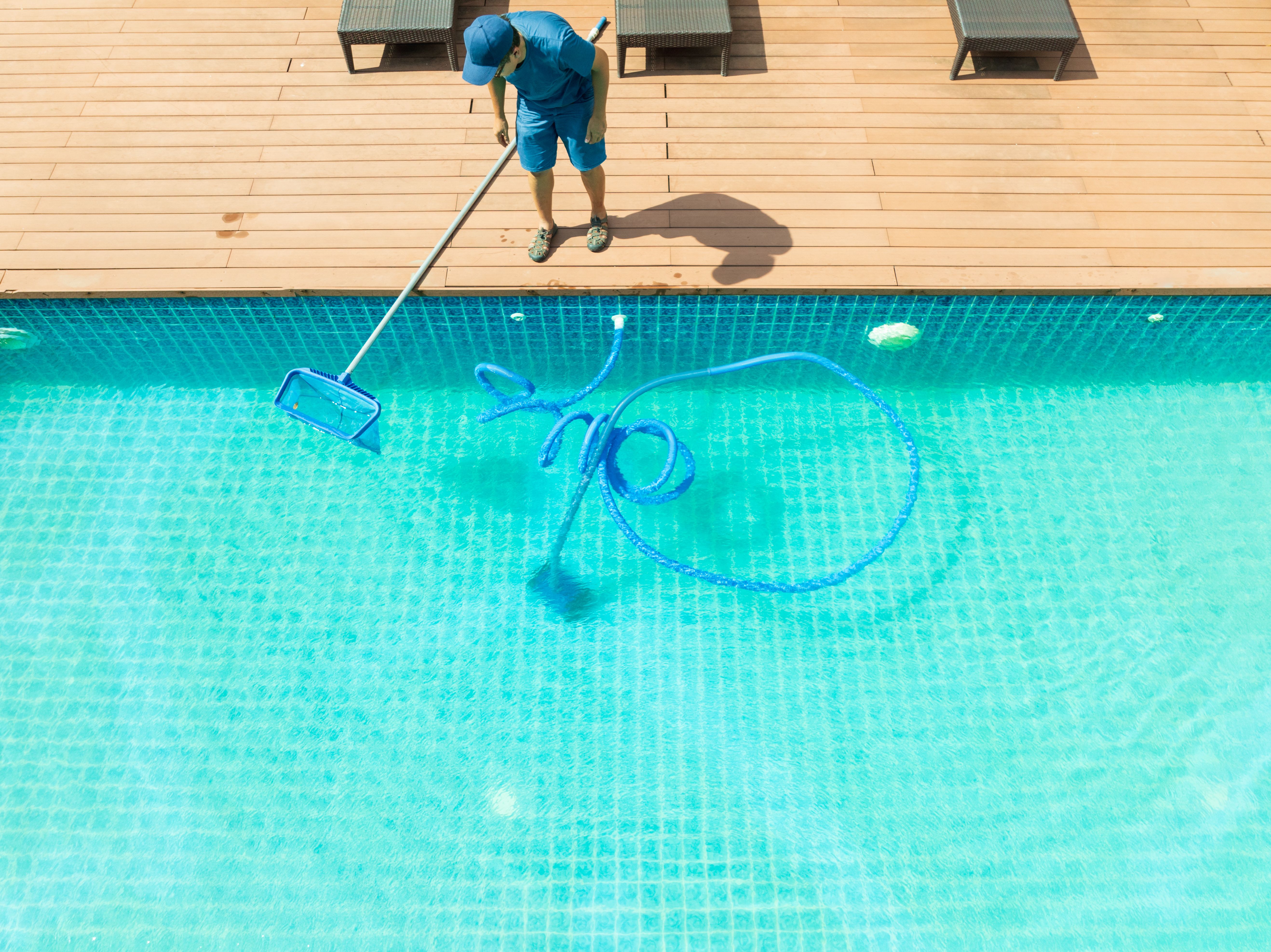
Maintaining a clean pool is crucial for the health and safety of everyone who uses it. A regular cleaning schedule can help prevent the buildup of harmful bacteria and algae. Start by skimming the surface of your pool daily to remove leaves and debris. This simple task keeps your pool looking pristine and prevents the clogging of filters.
Brushing the walls and floor of your pool weekly is another essential task. This helps to remove dirt and algae that can accumulate over time. Use a brush appropriate for your pool's surface to avoid damage while ensuring a thorough clean.
Balancing Pool Chemicals
Keeping your pool's chemicals balanced is vital for both safety and cleanliness. Test your pool water at least once a week to ensure proper chemical levels. The pH level should be between 7.2 and 7.8, while chlorine levels should be maintained between 1 and 3 parts per million (ppm).
Invest in a reliable pool testing kit and adjust the chemical levels as needed. Remember, proper chemical balance not only keeps the water clear but also prevents skin and eye irritation for swimmers.
Filter Maintenance
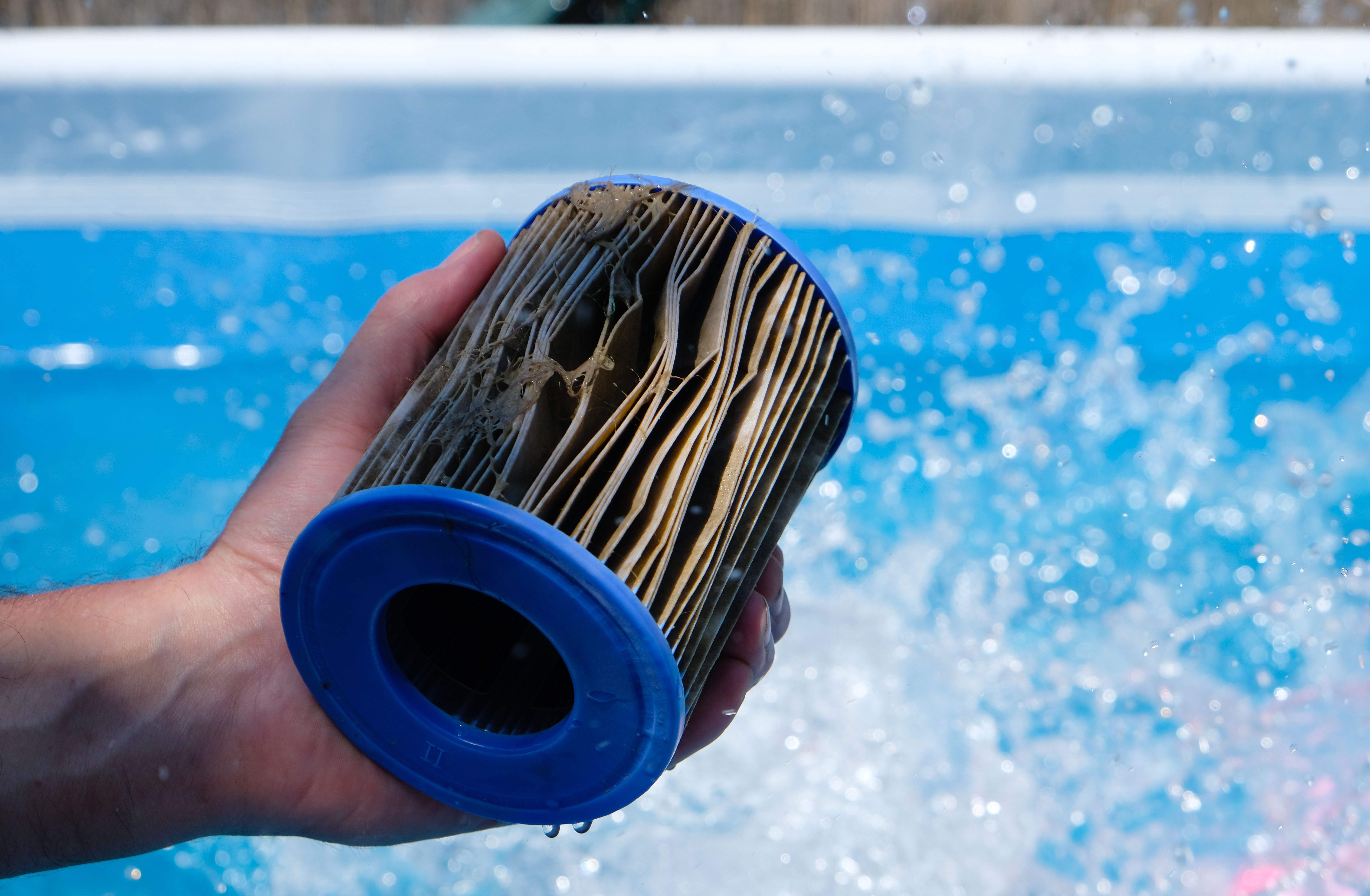
Your pool's filter plays a crucial role in maintaining clean water. Depending on the type of filter you have—sand, cartridge, or diatomaceous earth—regular maintenance will vary. Check the manufacturer's instructions for specific guidance on how often to clean or replace your filter.
Generally, it's a good idea to clean your pool filter every month. However, if your pool sees heavy use or after a storm, more frequent cleaning might be necessary. A well-maintained filter ensures your pool remains free of dirt and debris.
Ensuring Safety Measures
Safety should always be a top priority when maintaining a pool. Install a secure fence around your pool area to prevent unsupervised access. Additionally, having a pool cover not only helps keep debris out but also acts as a safety measure when the pool is not in use.
Consider installing pool alarms that alert you to any unexpected activity in the pool. These simple devices add an extra layer of protection, ensuring peace of mind for pool owners.
Energy Efficiency Tips
Running a pool can be energy-intensive, but there are ways to improve efficiency. Use a pool cover to reduce water evaporation and retain heat, which can lower heating costs. Additionally, consider installing a variable-speed pool pump, which can significantly reduce energy consumption compared to single-speed pumps.
Regularly check for leaks and fix any issues promptly. Not only do leaks waste water, but they also increase energy consumption as your pool system works harder to maintain levels.
Seasonal Maintenance
As the seasons change, so do your pool maintenance needs. In the spring, thoroughly clean your pool and check all equipment to ensure everything is in working order. During the summer, increase your cleaning frequency due to higher usage.
In the fall, focus on removing leaves and debris, while in the winter, consider closing your pool if you live in a colder climate. Proper seasonal maintenance helps extend the life of your pool and its equipment.