How to Choose the Best Swim Instructor for Your Child


Understanding Your Child's Needs
When choosing a swim instructor for your child, it's crucial to first understand your child's specific needs and preferences. Consider their age, skill level, and whether they are comfortable in the water. Some children might be beginners, while others might be looking to refine their techniques. Knowing this information will help you find an instructor who can tailor lessons to your child's requirements.
Additionally, consider any special needs your child might have. Some instructors specialize in working with children who have developmental or physical challenges, ensuring a supportive and effective learning environment.
Researching Potential Instructors
Once you have an understanding of your child's needs, start researching potential swim instructors. You can begin by asking for recommendations from friends, family, or local community centers. Online reviews and testimonials can also provide insights into an instructor's teaching style and effectiveness.
Check the instructor's credentials. Look for certifications from reputable organizations such as the American Red Cross or the YMCA. These certifications ensure that the instructor has received proper training and adheres to safety standards.
Evaluating Teaching Methods
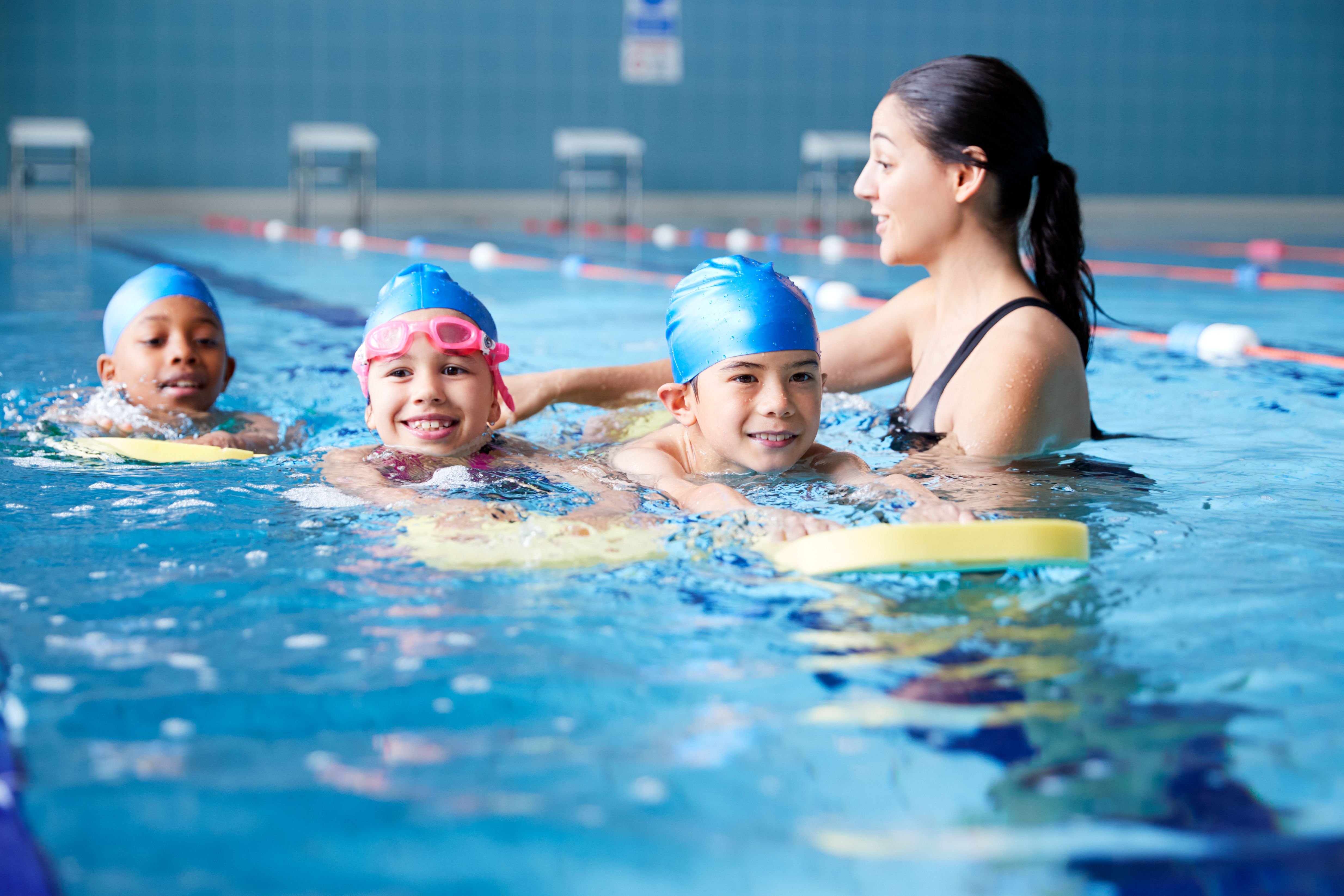
Every swim instructor has their own teaching methods, and it's important to find one that aligns with your child's learning style. Some instructors focus on a play-based approach for younger children, making lessons fun and engaging. Others might emphasize technique and discipline for more advanced swimmers.
It's beneficial to observe a class before enrolling your child. This will give you a sense of the instructor's interaction with students and their ability to maintain a safe and positive learning environment. Pay attention to how they provide feedback and encouragement to young swimmers.
Considering Class Size and Environment
The size of the class can significantly impact your child's learning experience. Smaller classes often allow for more personalized attention, which can be crucial for younger or less confident swimmers. On the other hand, larger classes might offer more social interaction, which can be beneficial for building confidence and teamwork skills.
The environment of the swimming facility is also important. Ensure that the pool is clean and well-maintained, with appropriate safety measures in place. A comfortable and welcoming atmosphere can make a big difference in your child's willingness to learn.
Communicating with the Instructor
Effective communication with the swim instructor is vital. Discuss your goals for your child and any concerns you might have. A good instructor will be open to feedback and willing to adjust their approach to better suit your child's needs.
Establishing a positive relationship with the instructor can enhance your child's experience and ensure that they receive the support and guidance they need to succeed. Regular updates on your child's progress can also help you stay informed and involved in their swimming journey.